Molds or fungi can be found in at least small amounts almost anywhere due to their release of tiny spores. Spores can be hazardous to human health and potentially cause allergic reactions, fungal infection (mycosis) or release mycotoxins. Mycotoxins are secondary metabolites (toxic chemical products) that can be present with the spores, the mycelium of fungi and even the surface where the fungi grow.
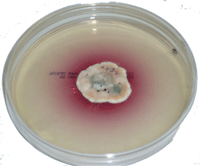
Not all fungi however produce mycotoxins and, specific environmental conditions are required for these potent compounds to be produced. Increased mycotoxin biosynthesis within a fungal spore is affected by the following environmental conditions: temperature, water activity and pH. Other factors that affect susceptibility to mycotoxins vary by individual. Such factors include the length and frequency of exposure, the concentration of the mycotoxins, the age, health and sex of the exposed individual, etc.
At a high enough exposure, certain mycotoxins can be harmful or even lethal to both humans and animals. They can enter the body through ingestion, skin exposure and inhalation. Many mycotoxins are allergenic, immunosuppressive, carcinogenic, or can cause kidney toxicity. However, extreme exposure to mycotoxins is rare even in residences with serious mold problems. Further, some mycotoxins can be beneficial to humans; such is the case of penicillin which is used to treat many bacterial infections. The major groups of mycotoxins are: Aflatoxins, Citrinin, Ergot Alkaloids, Fumonisins, Ochratoxin, Patulin, Trichothecenes, and Zearalenone.
Exposure to mycotoxins has a greater likelihood of occurring in areas of the world that do not practice proper food handling and storage of food and, do not have proper government screening and regulation programs. They can appear in the food chain through crop fungal infections or, crops eaten by livestock as feed or directly by humans. Many mycotoxins are also highly resistant to decomposition, digestion, and even heat treatment which allow them to persist in meat and dairy products. Most control methods involve high-performance liquid chromatography (HPLC) techniques to access mycotoxin levels in food. Examples for food products that are currently tested include peanuts and peanut products, tree nuts, corn and corn products, cottonseed, and milk.
Preventative measures such as good agricultural practices and adequate drying of crops post-harvest can be taken to control exposure. Ongoing biotechnology research is also being performed into using bio-control agents, developing crops that have enhanced antifungal genes, and targeting regulatory mycotoxin genes.
Mycotoxins in the indoor air environment:
Mycotoxin detection in indoor air is not well documented and, it is therefore difficult to identify their presence. Current research suggests the concentrations present in a normal home, office or school are too low to trigger an immune response. Examples of molds that are known to have the potential to produce myxotoxins include Alternaria, Aspergillus (many forms), Penicillium, and Stachybotrys.
Of course, the best preventative measure in preventing myxotoxin production in the indoor air is to prevent mould growth. For more information and to find out about our mold testing services, please contact Mold & Bacteria Consulting Laboratories, call our Ontario, Mississauga Office at 905-290-9101 or the British Columbia, Burnaby Office at 604-435-6555.
References:
Bennett JW, M Klich. 2003. Mycotoxins. Clin Microbiol Rev 16(3):497-516.
Jarvis BB, Miller JD. 2005. Mycotoxins as harmful indoor air contaminants. Appl Microbiol Biotechnol 66(4):367-372.
Keller NP, Turner G, Bennett JW. 2005. Fungal secondary metabolism-from biochemistry to genomics. Nat Rev Microbiol 3(12):937-947.
Richard JL. 2007. Some major mycotoxins and their mycotoxicoses-an overview. Int J Food Microbiol 119(1-2):3-10.
Robbins CA, Swenson LJ, Nealley ML, Gots RE, Kelman BJ. 2000. Health effects of mycotoxins in indoor air: a critical review. Appl Occup Environ Hyg 15(10):773-784.
Shephard GS. 2008. Determination of mycotoxins in human foods. Chem Soc Rev 37(11):2468-2477.
Turner NW, Subrahmanyam S, Piletsky SA. 2009. Analytical methods for determination of mycotoxins: a review. Anal Chim Acta 632(2): 168-180.
 Chaetomium species are found worldwide in soil, dung, or decaying plants. Most species are prolific producers of the enzyme cellulase that breaks down cellulose. Destruction of paper and other materials containing cellulose (including foods, feeds, paper, textile, bird feathers, seeds and military equipment) by species of this mould is well documented. Due to their strong ability to destroy material, Chaetomium species are often used in testing materials for resistance to mould growth.